

Mold Removal Seattle: 11 Warning Signs of Hidden Mold in Seattle Homes
Seattle’s climate makes it one of the most mold-prone cities in the country. Persistent moisture, older housing stock, and limited ventilation in many homes create ideal conditions for mold growth – often long before homeowners realize there’s a problem.

Mold rarely starts as a visible issue. In many cases, it develops behind walls, under flooring, or inside ceilings, slowly impacting indoor air quality and building materials. Knowing the early warning signs is critical. This guide breaks down 11 health and structural indicators that often signal when mold removal Seattle homeowners should take seriously and address promptly.
1. A Musty Smell That Persists Despite Cleaning
One of the earliest indicators of hidden mold is a persistent musty or earthy odor. In Seattle homes, this smell often intensifies after rainfall or during colder months when windows stay closed.
If odors:
- Return shortly after airing out the home
- Are strongest in bathrooms, basements, or near exterior walls
- Seem localized to specific rooms
it may indicate active mold growth that requires professional mold removal in Seattle.
2. Allergy Symptoms That Improve When You Leave the House
Mold exposure often mimics seasonal allergies, making it easy to dismiss. However, a key differentiator is location-based symptom relief.
Common mold-related reactions include:
- Sneezing and nasal congestion
- Itchy or watery eyes
- Throat irritation
- Persistent coughing
If symptoms ease when you’re away from home and return shortly after coming back, indoor mold may be contributing.
3. Frequent Headaches, Fatigue, or Brain Fog
Beyond allergy-like reactions, mold exposure can affect overall well-being. Many Seattle homeowners report symptoms that feel vague or difficult to pinpoint, such as:
- Recurring headaches
- Ongoing fatigue
- Difficulty concentrating
- Lightheadedness
When multiple occupants experience similar issues, mold removal Seattle professionals can help determine whether environmental factors are involved.
4. Visible Mold or Discoloration on Walls and Ceilings
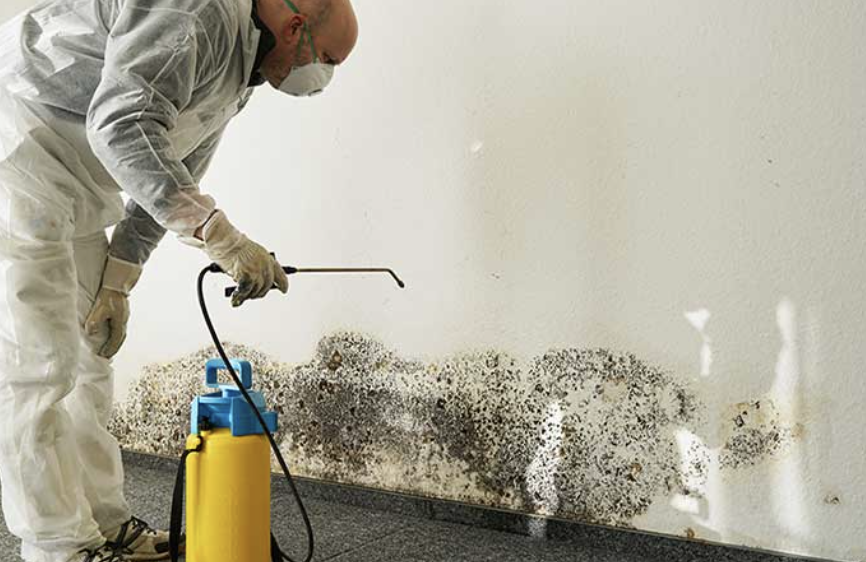
Visible mold doesn’t always appear as dramatic black patches. In Seattle homes, mold may show up as:
- Gray, green, or brown spotting
- Dark streaks near baseboards
- Fuzzy or powdery surface growth
Bathrooms, kitchens, laundry rooms, and poorly ventilated spaces are common problem areas. Surface cleaning often masks deeper growth behind materials.
5. Peeling Paint, Bubbling Walls, or Warped Drywall
Structural warning signs often point to long-term moisture intrusion, which creates ideal conditions for mold.
Red flags include:
- Paint bubbling or peeling
- Drywall that feels soft or spongy
- Walls that appear uneven or swollen
These symptoms are common near windows, plumbing fixtures, and exterior walls in older Seattle homes.
6. Worsening Asthma or Respiratory Issues Indoors
Mold spores can aggravate respiratory conditions, particularly in children, seniors, and individuals with asthma.
Indicators include:
- Increased asthma attacks
- Shortness of breath indoors
- Wheezing or chest tightness
- Symptoms worsening at home but improving elsewhere
In these cases, mold removal Seattle services can help restore indoor air quality and reduce exposure.
7. Damp Crawl Spaces or Attics With Poor Ventilation
Seattle’s crawl spaces and attics are especially vulnerable to hidden mold due to limited airflow and persistent moisture.
Common signs include:
- Strong odors near access points
- Damp insulation
- Condensation on framing or ductwork
Because these areas are rarely inspected, mold can spread unnoticed for years.
8. Flooring That Feels Soft, Uneven, or Smells Damp
Mold doesn’t only affect walls. It can thrive beneath flooring materials when moisture becomes trapped.
Warning signs include:
- Hardwood floors that cup or buckle
- Carpet that feels damp or smells musty
- Tile grout that remains dark or discolored
These symptoms often point to moisture below the surface, requiring professional mold removal in Seattle.
9. Past Water Damage That Was Never Fully Addressed
Homes with a history of:
- Roof leaks
- Plumbing failures
- Flooding or storm damage
are at elevated risk for mold growth, especially if drying and remediation were incomplete. Even years later, mold can remain active inside walls and subfloors.
10. Mold Discovered During Remodeling or Repairs
Many Seattle homeowners first discover mold during renovations, when walls, cabinets, or flooring are removed.
Common scenarios include:
- Bathroom remodels revealing mold behind tile
- Kitchen renovations uncovering moisture damage
- Flooring removal exposing damp subflooring
When mold is uncovered mid-project, work should pause and homeowners typically bring in a certified remediation specialist for professional mold removal in Seattle before construction resumes.
11. Condensation and Moisture Build-Up on Windows and Walls
Persistent condensation can signal ventilation or insulation issues that promote mold growth.
Signs include:
- Moisture collecting on windows
- Damp wall surfaces
- Condensation near ceiling corners
In Seattle’s climate, these conditions can quickly lead to hidden mold if not addressed.
Why Mold Removal Seattle Often Requires Professional Help
While small surface mold can sometimes be cleaned safely, hidden or widespread mold requires professional remediation. Improper handling can spread spores, worsen contamination, and increase health risks.
Professional mold removal Seattle services typically include:
- Containment to prevent cross-contamination
- Safe removal of affected materials
- Moisture source identification
- Air filtration and clearance testing
Addressing both the mold and the underlying moisture issue is essential for long-term resolution.
What to Do If You Suspect Mold in Your Seattle Home
If one or more of these warning signs are present, the next step is evaluation, not DIY cleanup. Early intervention can limit damage, protect health, and prevent costly structural repairs.
When mold is suspected or discovered, homeowners often work with certified mold removal Seattle specialists who focus exclusively on remediation and environmental safety.
Mold Removal Seattle: Early Action Matters
Mold problems rarely resolve on their own. Left untreated, they can compromise indoor air quality, damage building materials, and impact occupant health.
Understanding the early signs empowers Seattle homeowners to act before small issues escalate. When mold is suspected, professional mold removal Seattle services provide the most reliable path to restoring a safe, healthy living environment.